Reviewed by Hasitha K. Balasooriya · Managing Director, Gemszen (Pvt) Ltd · 8 years of gem-industry experience · Updated 6 October 2026
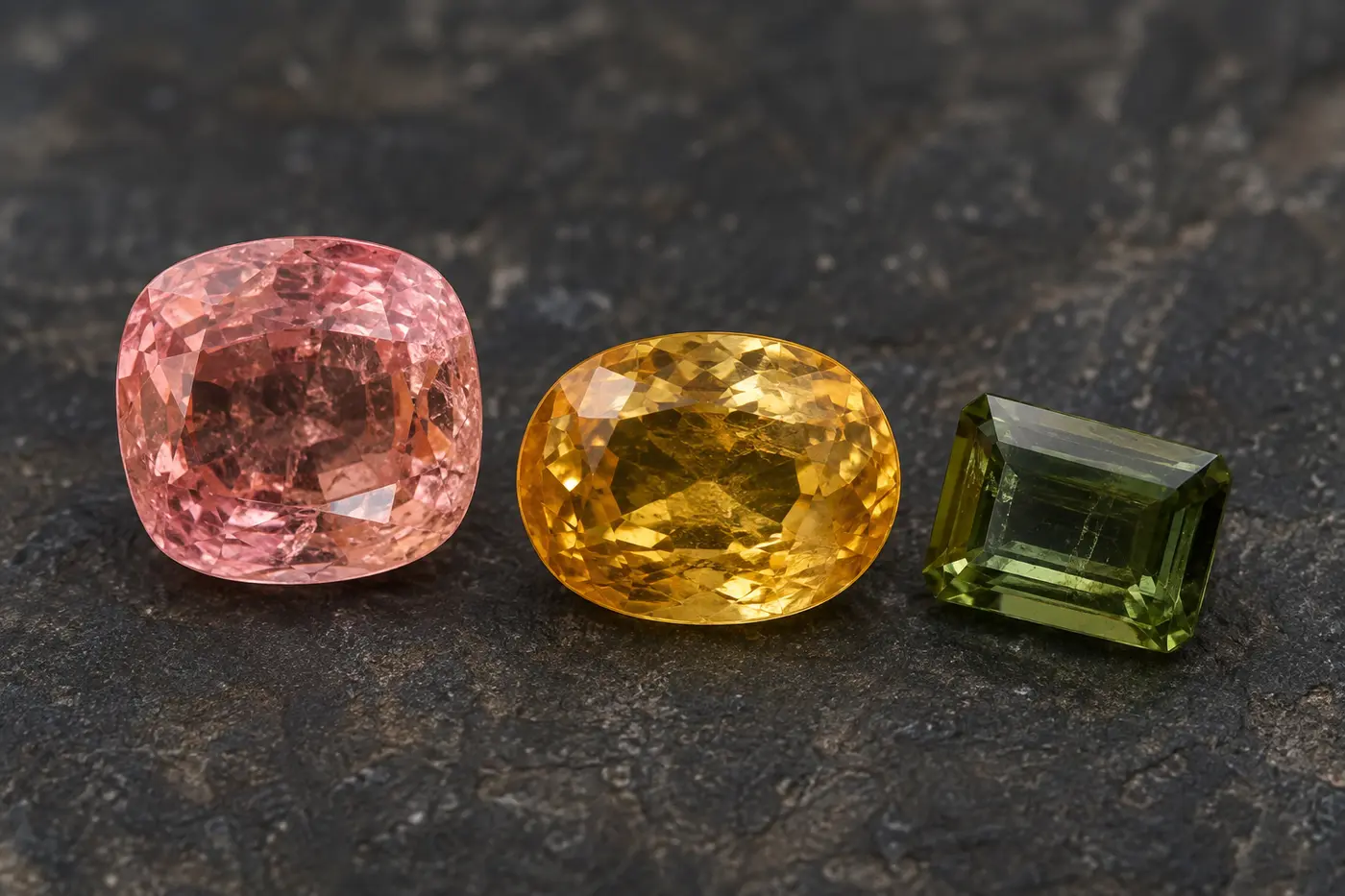
Yellow Sapphire හෙවත් පුෂ්පරාග ලා කහ සිට රන්වන් හෝ ගැඹුරු කහ පැහැ දක්වා තිබිය හැක. වටිනාකම තීරණය කිරීමේදී colour, clarity, cut, carat weight, treatment සහ certificate එක සලකා බැලිය යුතුය.
Colour and appearance
Hue, tone, saturation and evenness influence visual appeal. A lively yellow with good light return may be more desirable than a stone that is too pale, too dark, strongly brownish or poorly cut. Preferences can vary by market.
Clarity, cut and durability
Natural inclusions are common. Their position and effect on transparency or durability matter. Corundum’s Mohs hardness of 9 gives good scratch resistance, but fractures and poor setting can still create damage risk.
Treatments and buying checks
Heat treatment and other colour-related treatments may be encountered. Confirm identity, weight, measurements, detectable treatment and return terms. Obtain an independent laboratory report when the value or risk justifies it.
Frequently asked questions
Is yellow sapphire the same mineral as blue sapphire?
Yes. Both are corundum; trace elements and colour centres create different colours.
Is darker yellow always more valuable?
No. Attractive hue, saturation, tone, clarity and brilliance must be considered together.
What is Pushparaga?
In Sri Lankan usage, Pushparaga is a local trade name associated with yellow sapphire.