Reviewed by Hasitha K. Balasooriya · Managing Director, Gemszen (Pvt) Ltd · 8 years of gem-industry experience · Updated 6 October 2026
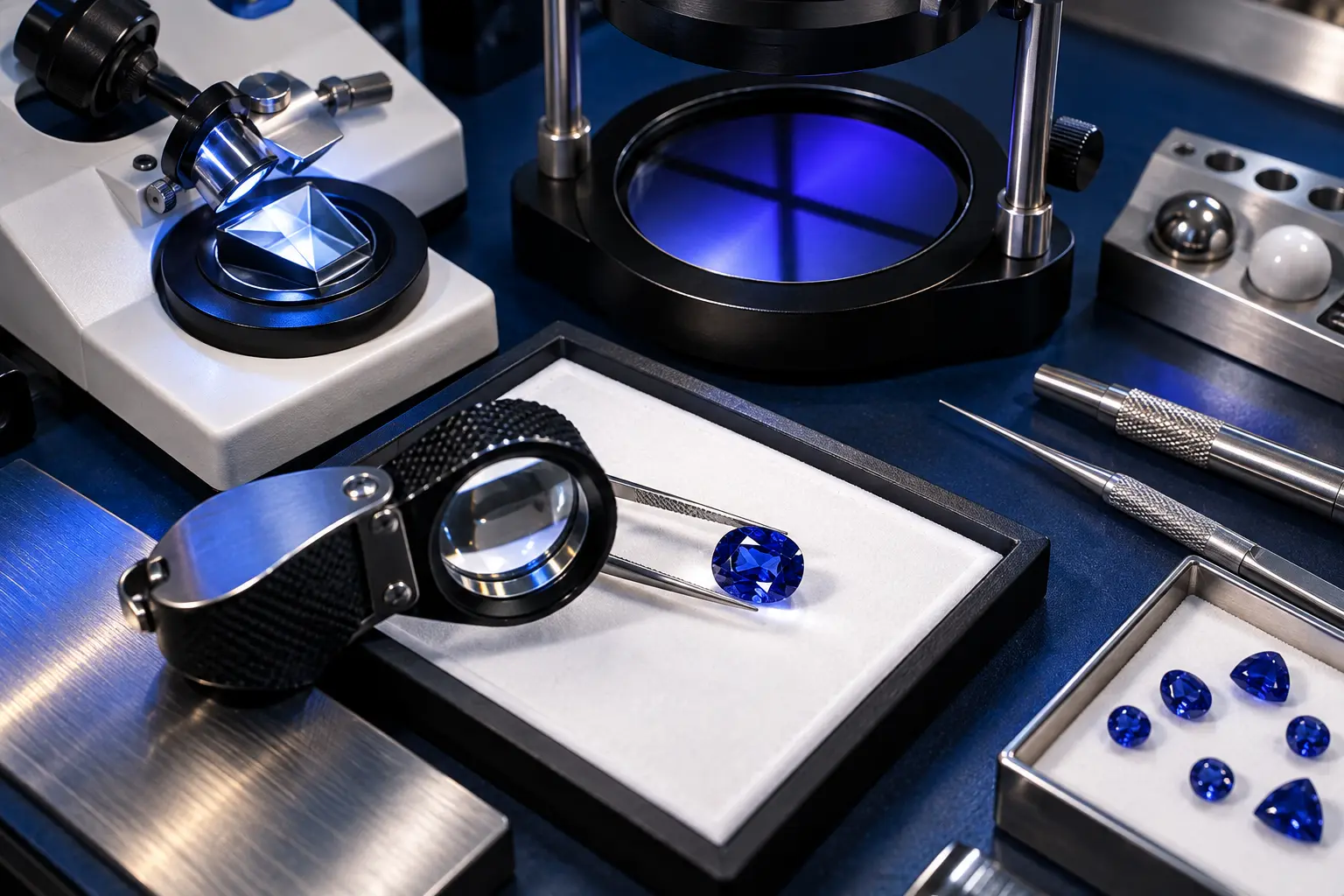
Inclusion කියන්නේ මැණික් ගල තුළ ඇති crystal, needle, silk, cloud, feather, fingerprint, fluid හෝ colour zoning වැනි අභ්යන්තර ලක්ෂණයකි. Inclusion එකක් තිබීම පමණින් ගල natural බව තීරණය කළ නොහැක.
Common inclusion types
Crystal inclusions are minerals enclosed by the host gem. Needles and rutile silk may occur as fine oriented lines. Clouds are groups of very small particles, while feathers and fissures are fracture-like features. Fingerprints can form when a fracture partially heals and traps fluid or tiny crystals.
What inclusions can reveal
The shape, relief, orientation and surrounding features of an inclusion may support identification or provide clues about natural growth and treatment. Heat can alter crystals, silk, feathers and colour zoning, but correct interpretation requires training and comparison with the complete evidence.
Inclusions and gemstone value
Visibility, position, size and effect on durability matter. A small inclusion may have little effect, while a surface-reaching fracture can create durability risk. Some inclusions produce desirable effects such as asterism or cat’s-eye when appropriately oriented and cut.
Frequently asked questions
Do inclusions prove a gemstone is natural?
No. Natural, laboratory-grown and treated gems can all contain internal features. Identification requires multiple observations and tests.
Is every fracture an inclusion?
Internal fractures are commonly discussed with inclusions, while features that reach or occur on the surface may also be described as blemishes.
Can inclusions lower gemstone value?
Yes, when they reduce beauty or durability, although their effect depends on type, position, visibility and the gemstone variety.