
Reviewed by Hasitha K. Balasooriya · Managing Director, Gemszen (Pvt) Ltd · 8 years of gem-industry experience · Updated 6 October 2026
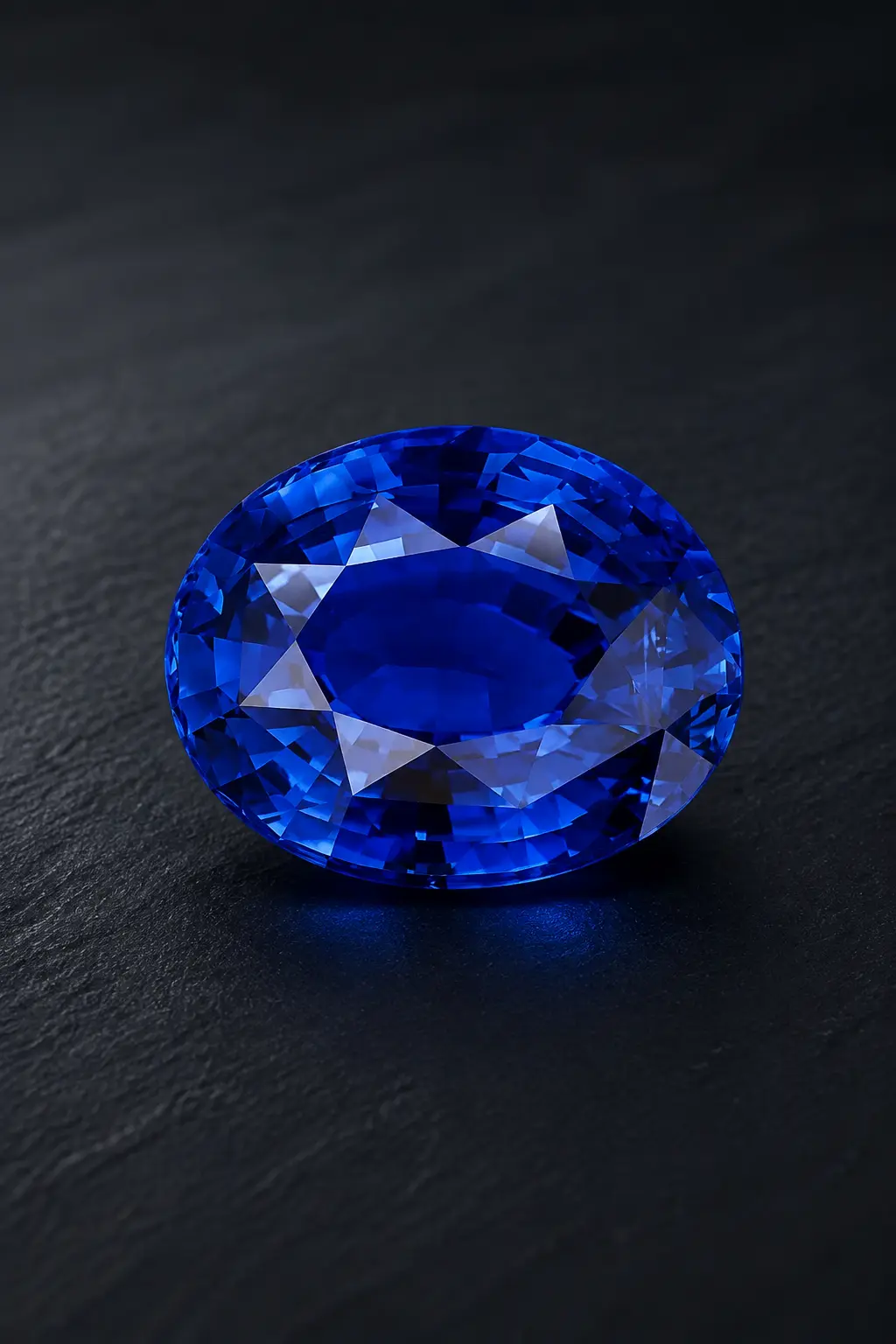
Star Sapphire එකක තරුවක් පෙනෙන්නේ නිශ්චිත දිශාවල පිහිටි ඉතා සිහින් needle-like inclusions මත ආලෝකය පරාවර්තනය වීමෙනි. සාමාන්යයෙන් cabochon cut එකක් යොදා තරු ආචරණය හොඳින් පෙන්වයි.
How the star forms
Fine oriented inclusions—often associated with rutile silk—reflect light in intersecting directions. In corundum this commonly produces a six-rayed star, while some stones can display twelve rays or less complete effects.
Why cabochon cutting matters
The rough must be oriented so the inclusion directions relate correctly to the curved dome. A well-positioned cabochon allows the star to appear centred and move smoothly across the surface as the light or stone moves.
Evaluating a star sapphire
Consider body colour, strength and sharpness of the rays, centring, completeness, movement, dome proportions, transparency and surface quality. Treatments and synthetic star sapphires exist, so important purchases benefit from laboratory examination.
Frequently asked questions
Why does a star sapphire need one light source?
A small direct light creates a clear reflection from the oriented inclusions and makes the star easier to observe.
Are all star sapphires blue?
No. Sri Lankan star sapphires can occur in blue, grey, pink, purple and other corundum colours.
Can a star sapphire be synthetic?
Yes. Laboratory-grown star corundum exists and requires correct disclosure and testing.