Reviewed by Hasitha K. Balasooriya · Managing Director, Gemszen (Pvt) Ltd · 8 years of gem-industry experience · Updated 6 October 2026
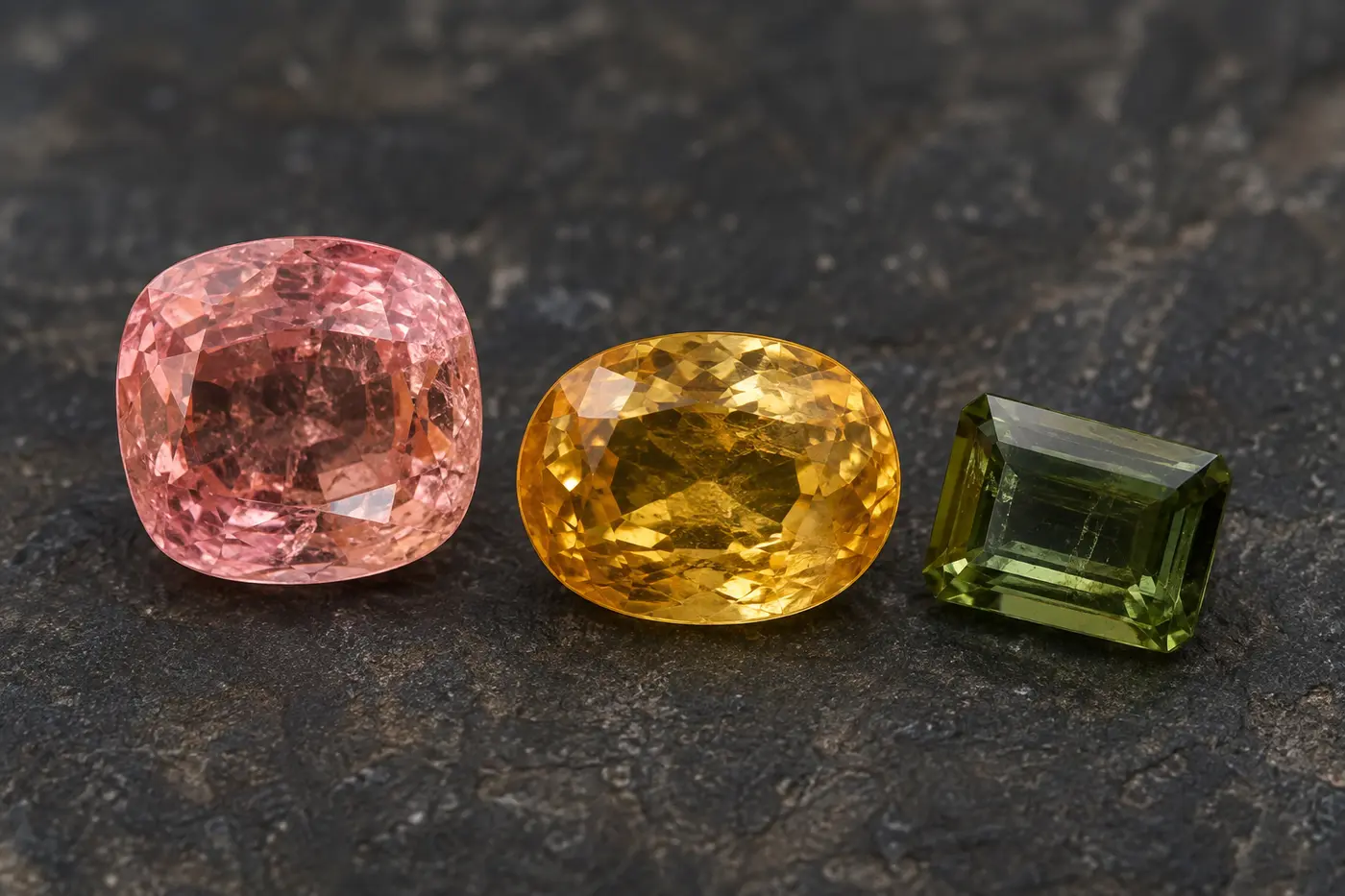
Padparadscha Sapphire හෙවත් පද්මරාගයේ ප්රධාන ලක්ෂණය රෝස සහ තැඹිලි වර්ණ දෙකේ සෞම්ය සමබරතාවයයි. නම පමණින් වටිනාකම තීරණය නොකර colour, clarity, cut, treatment සහ laboratory report පරීක්ෂා කළ යුතුය.
The characteristic colour
Padparadscha is generally described as a pinkish-orange to orangy-pink sapphire. Tone, saturation, colour balance and evenness all matter. Stones that appear strongly brown, yellow or purple may fall outside stricter laboratory interpretations of the term.
Rarity and value factors
Attractive balanced colour is central, but clarity, cut, carat weight and overall beauty also influence value. Fine examples are rare, and a larger stone does not automatically outrank a smaller stone with a more desirable colour and cut.
Treatment and laboratory reporting
Heat and diffusion-related treatments can affect colour. Important stones should be examined by a qualified laboratory for identity and detectable treatment; some laboratories also provide origin opinions when evidence permits.
Frequently asked questions
Is padparadscha pink or orange?
It is valued for a combination of both, commonly described as pinkish orange or orangy pink.
Does padparadscha come only from Sri Lanka?
The name is strongly associated with Sri Lanka, but stones described with this colour term may come from other sources.
Can heat-treated sapphire be called padparadscha?
Laboratory terminology depends on colour and treatment findings; disclosure and a reputable report are important.